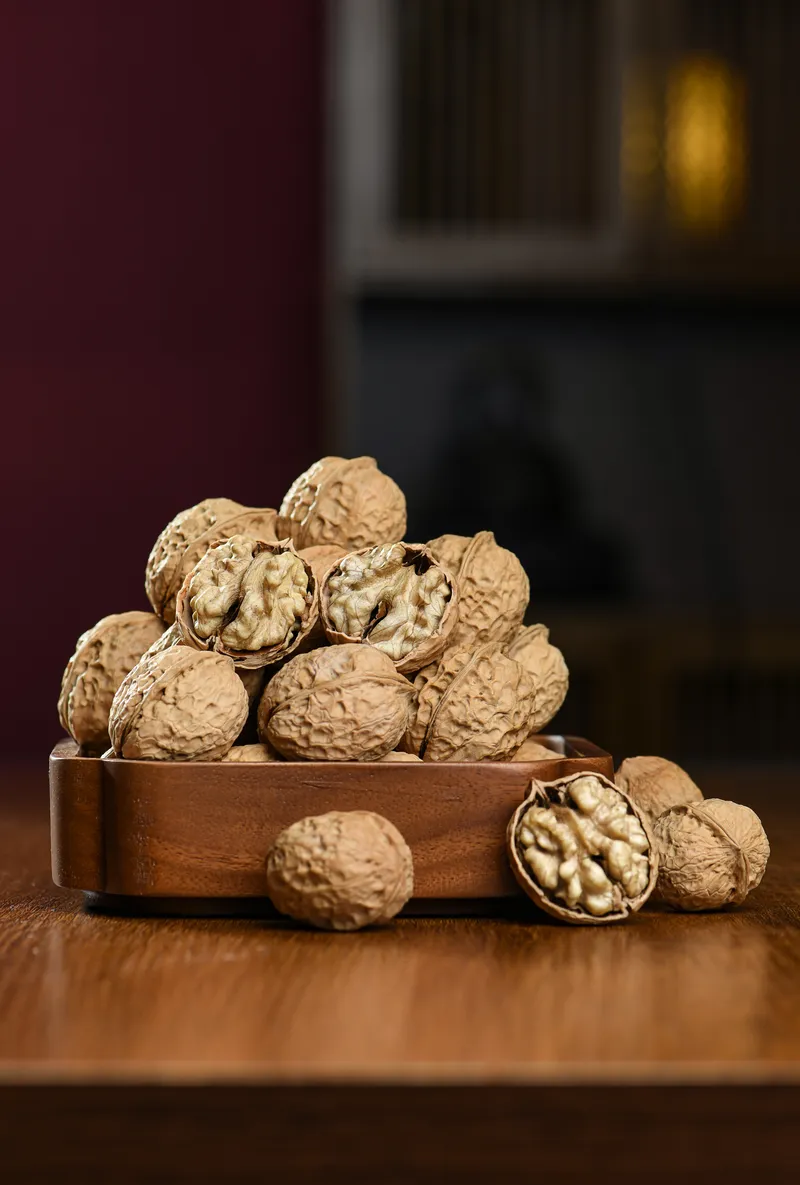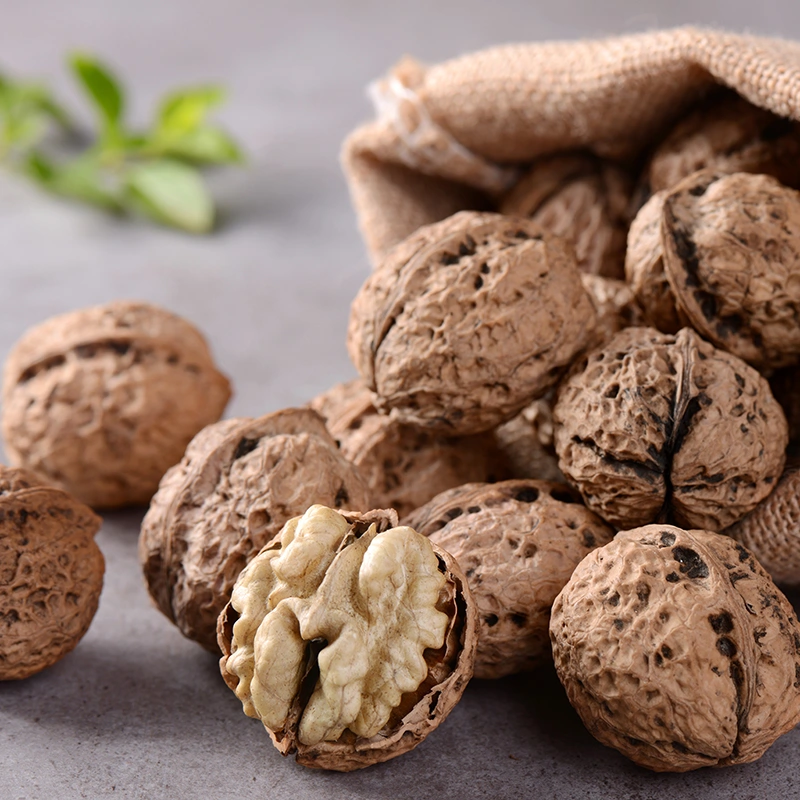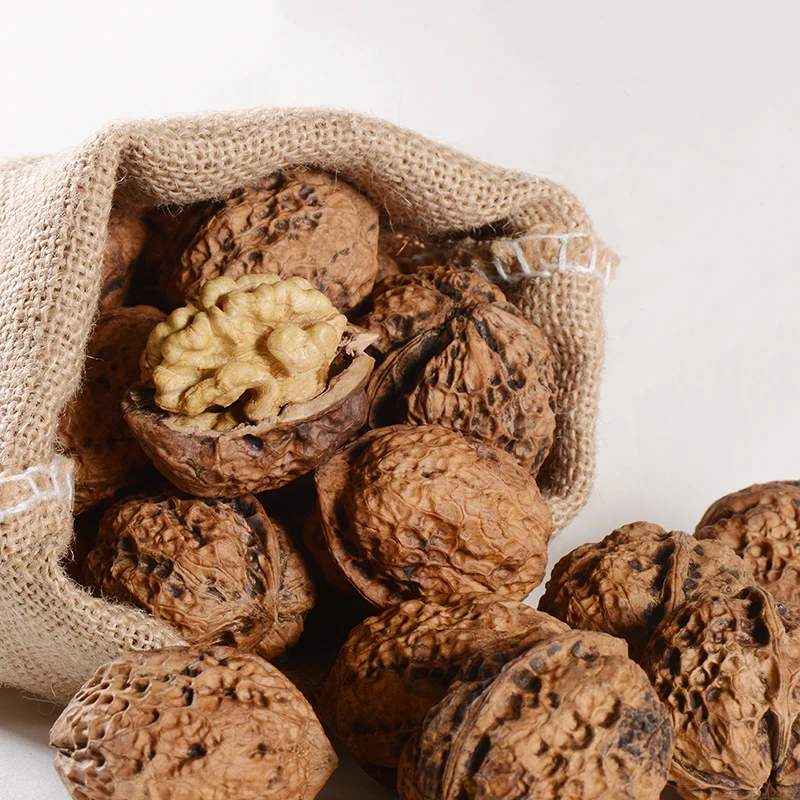


Fengqing shelled walnuts are a natural gift from a region that holds the double distinction of being the “World Capital of Dianhong Black Tea” and the “Walnut Capital of China.” They are not just ordinary nuts, but a geographical indication product that embodies the sunshine of the Tropic of Cancer, the moisture of the Lancang River basin, and millennia of cultivation wisdom.
The excellence of Fengqing walnuts is underpinned by precise, officially certified data:
• Variety: Fengqing Bubble Walnut (Large Bubble Walnut).
• Certification: National Famous, High-Quality, and Innovative Agricultural Product; application for geographical indication protection for agricultural products.
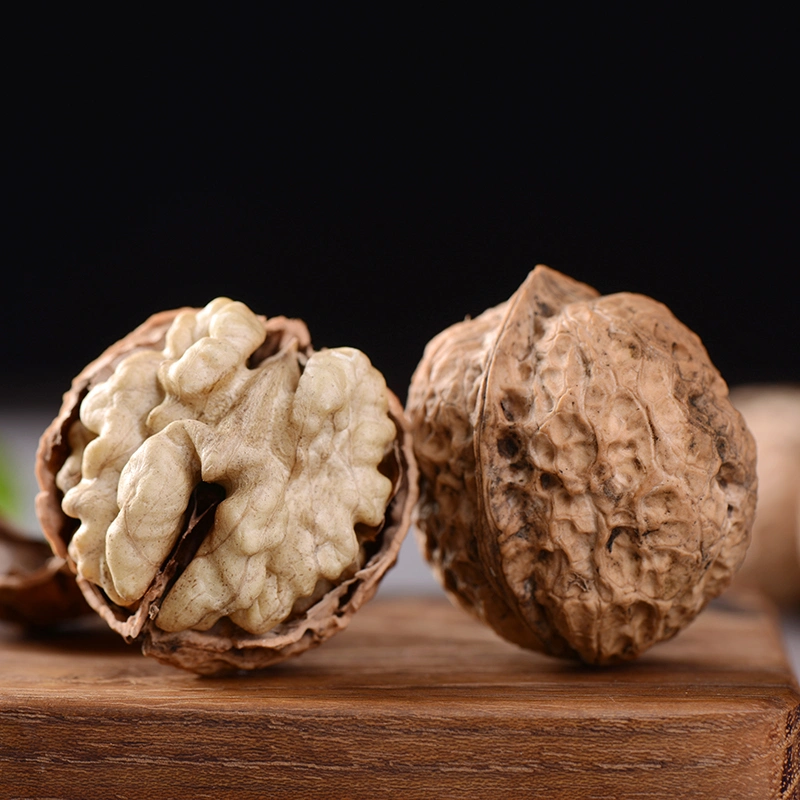
• Core Characteristics: Large fruit, thin shell, white kernel, thick flesh, and fragrant taste.
Key Data:
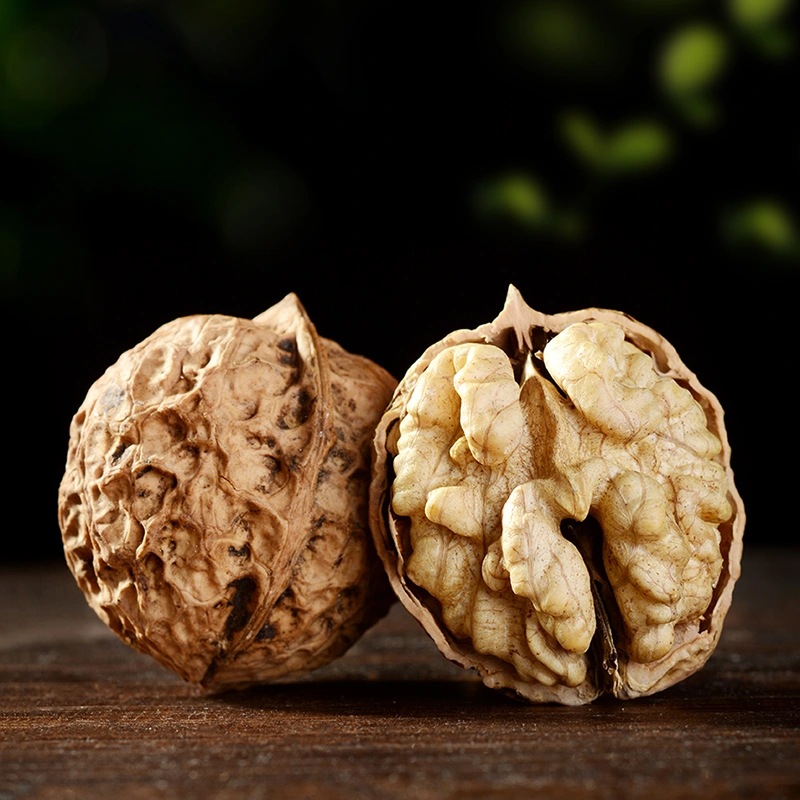
• Shell thickness: Only 0.4–0.8 mm, with an inner wall as thin as paper, making it very easy to extract the whole kernel.
• Kernel yield: As high as 54.9% or more, exceeding industry standards.
• Nutritional value: Protein content is approximately 16%, and crude fat content is approximately 66.2%, both higher than the reference values.
• Harvest Season: September each year.
Terroir Origins: Nurtured by the Lancang River
Its unique quality is deeply rooted in the essence of Fengqing’s land and climate:
• Natural Environment: The production area has a low-latitude plateau subtropical monsoon climate, with an average annual temperature of approximately 16.7℃, simultaneous rainfall and heat, and deep, fertile red and yellow soil layers rich in organic matter. The Lancang and Nu River systems flow through the region, providing abundant and clean water resources.
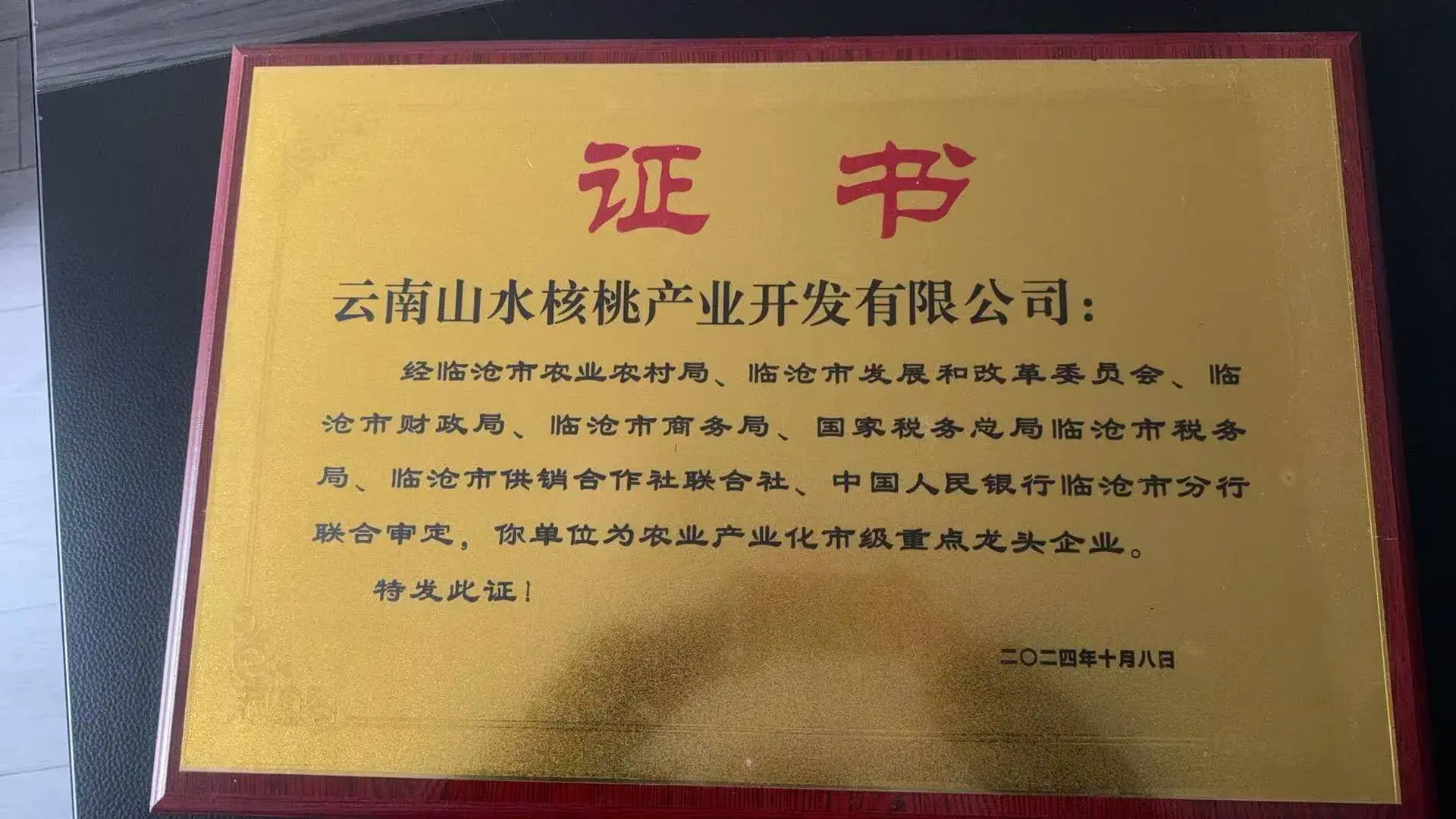
• Industrial Foundation: With a planting scale of over 1.72 million mu, covering 13 townships, it is a pillar industry deeply integrated into the local fabric. Its millennia-long cultivation history is documented as early as the Ming Dynasty in Xu Xiake’s Travels.
Cultural Significance: The “Fruit of Wisdom” and “Fruit of Prosperity” in the Palm of Your Hand
In Fengqing, walnuts transcend the category of food:
• Cultural Symbolism: Its shape resembles a brain, and it has been traditionally considered the “fruit of wisdom.” Locally, it is also a symbol of “harmony,” an essential item in festivals and wedding banquets, signifying good fortune. • Pillar of Livelihood: Walnut trees are affectionately called “money trees” by the local people, serving as a vital source of income for mountain families and embodying their hopes for increased prosperity.
Tasting and Selection:
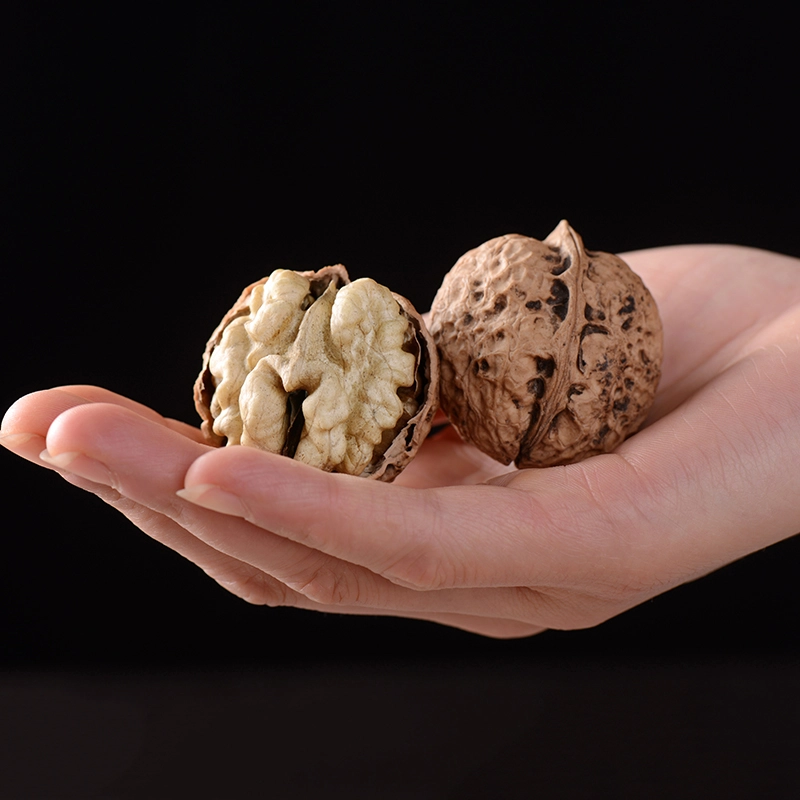
• Tasting Experience: Holding a single walnut, its shell exhibits a natural yellowish-brown to creamy yellow color, with a distinctly raised suture line. It feels light in the hand, yet substantial due to its thin shell. With a gentle squeeze, accompanied by a crisp “crack,” the plump and intact kernel can be easily removed. The kernel is milky white to light amber in color, with a thick, fleshy texture, a crispy bite, and a rich aroma without any bitterness.
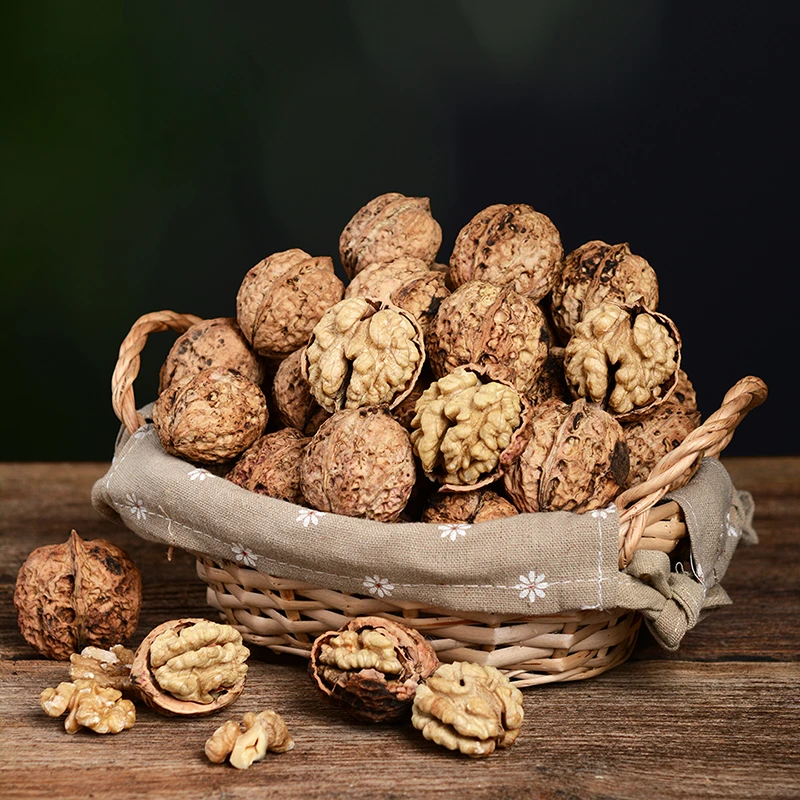
• How to Select: Choose products with the “Fengqing Walnut” label, clean and uniform shells, and no rattling sound when shaken (indicating a full kernel). Store in a cool, dry place to preserve its crispness and flavor.
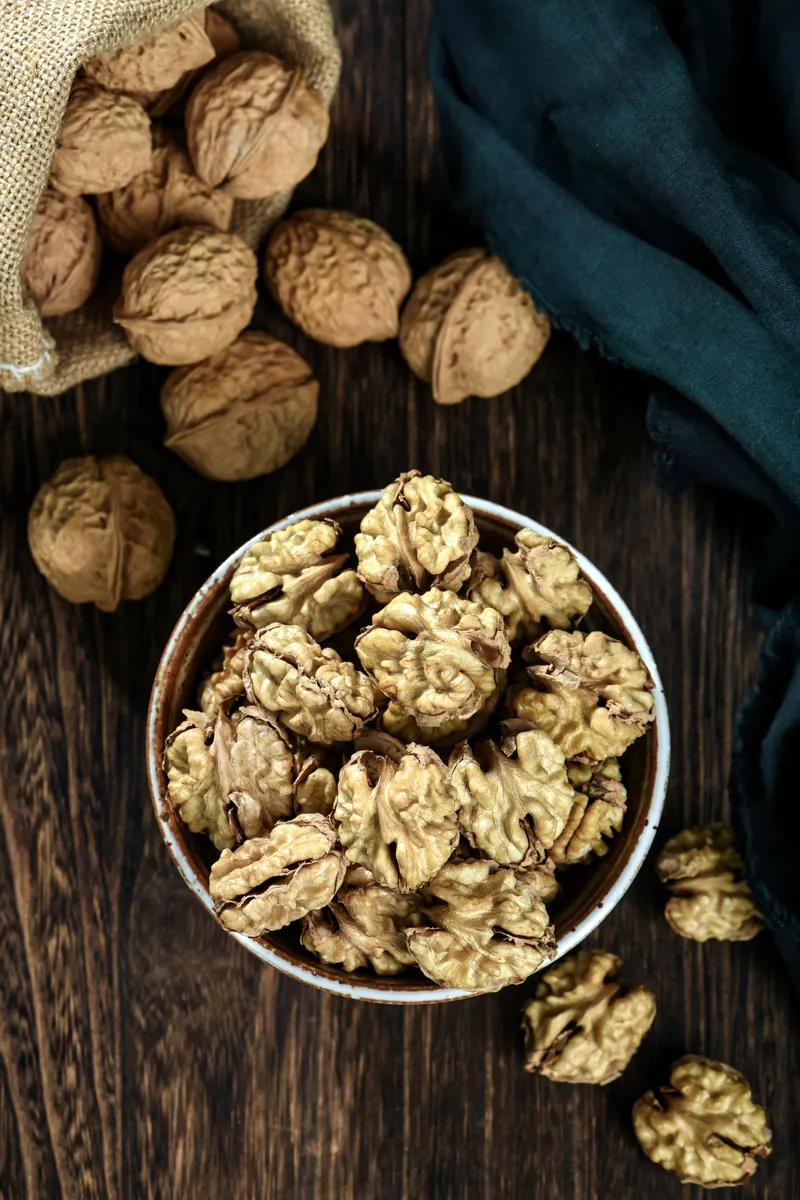
Organic walnut kernels represent an elevation of walnut flavor in both natural and ethical dimensions. They are more than just shelled nuts; they embody a complete commitment to respecting natural rhythms and ecological balance. From soil to palate, behind them lies a rigorous production philosophy, ensuring that every walnut kernel carries the purity of the land and the integrity of the producers.
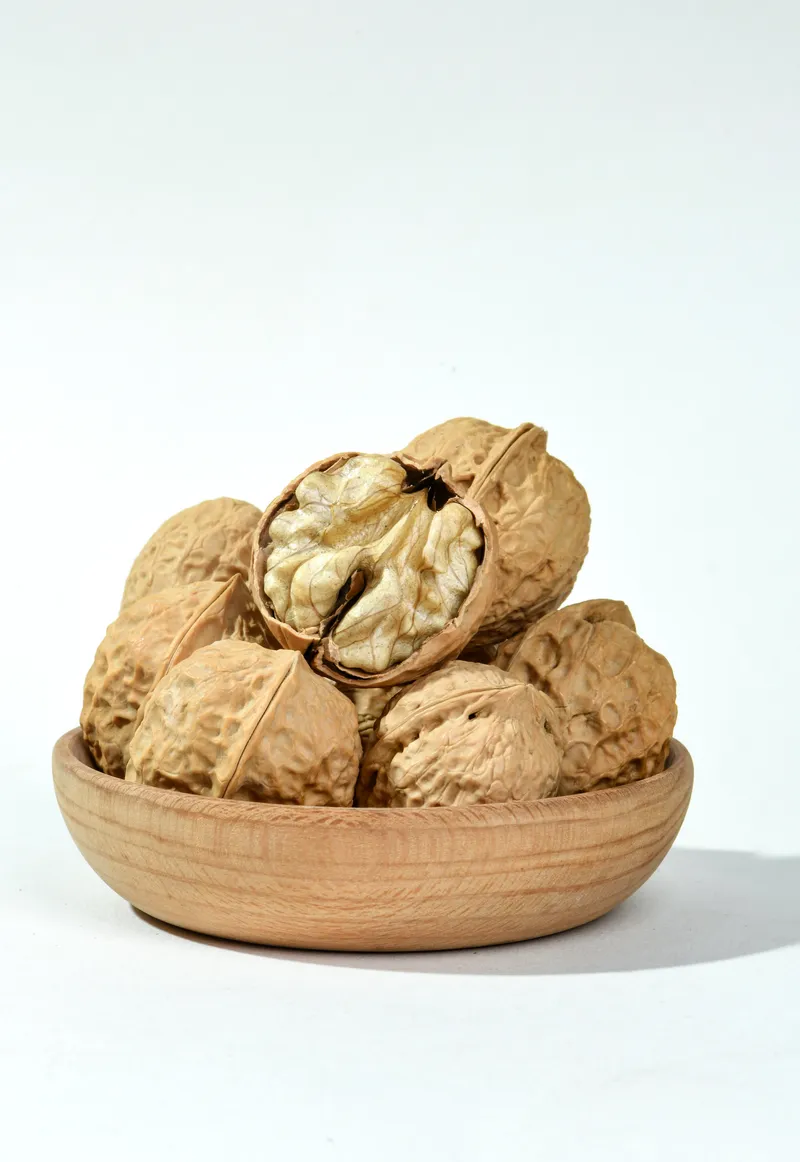
Walnuts in their shells represent the most original and complete form of the walnut’s life. They are not a ready-to-eat snack, but rather a natural creation that requires interaction to yield its reward. Holding a walnut in its shell is like holding a secret encased in a woody fortress, a small but fascinating journey of conquest about to begin.
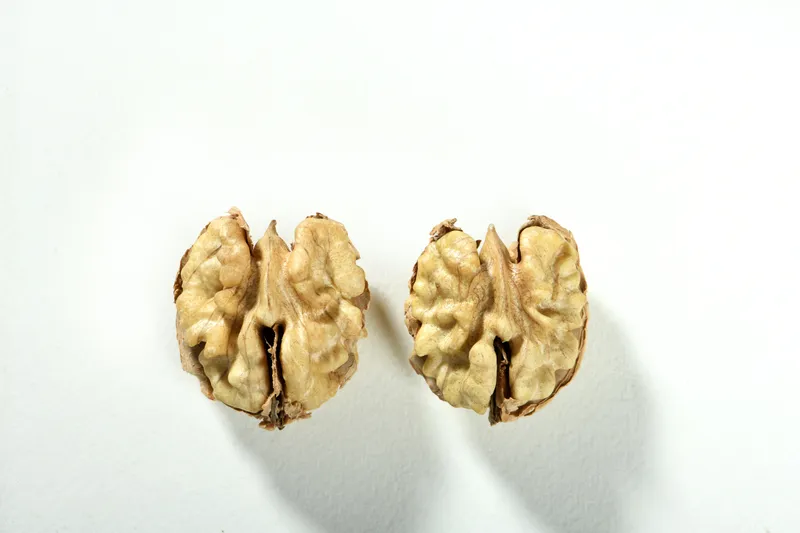
Walnuts, hailed as the “brain-boosting fruit” or “longevity fruit,” with their intricately grooved appearance resembling a miniature brain, hold a revered place in both Eastern traditional health wisdom and Western modern nutrition. They are not merely a nut, but a symbol carrying ancient wisdom and the bounty of nature.
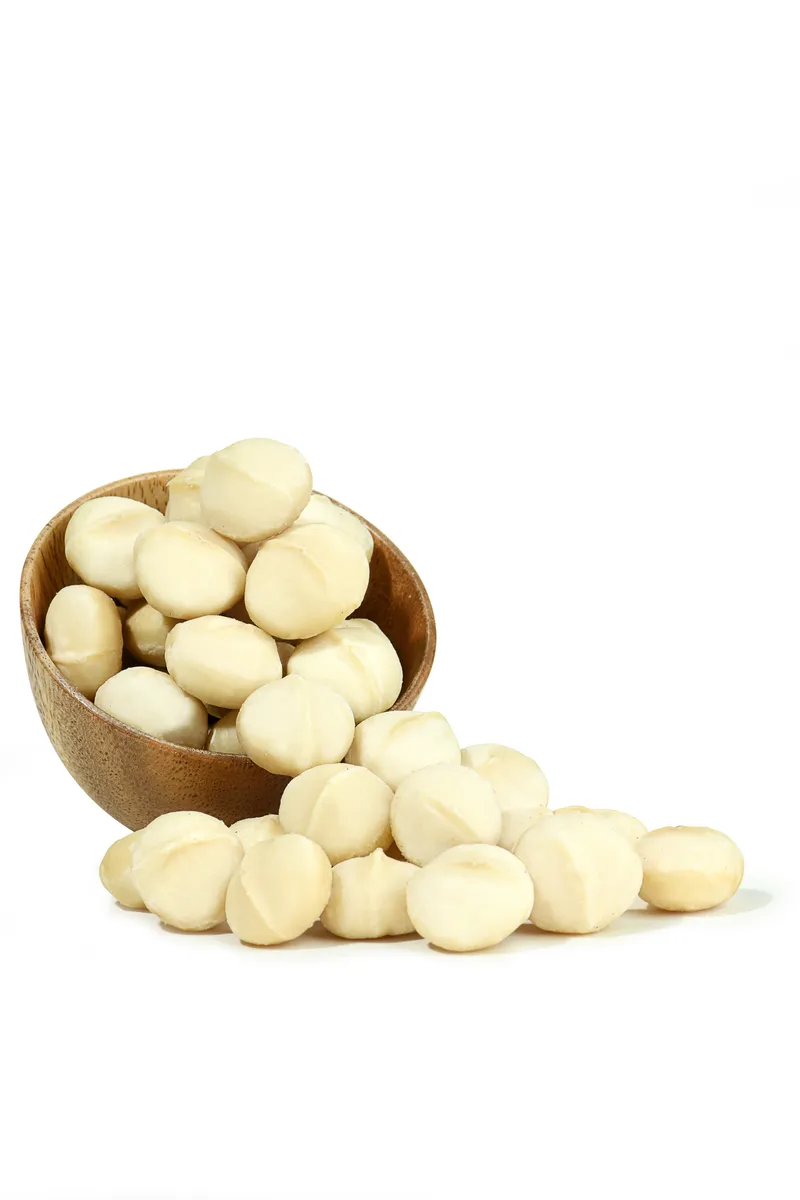
They are not only a culinary delight but also a nutritional powerhouse: • Rich in high-quality monounsaturated fatty acids (especially palmitoleic acid), beneficial for heart health. • Contain dietary fiber, plant protein, and important trace elements such as magnesium, copper, manganese, and vitamin B1. • Although high in calories, moderate consumption provides sustained energy and a feeling of fullness. Macadamia nuts have a wide range of uses: • Direct consumption: Lightly salted or plain, they are a top-tier snack. • Dessert enhancement: Widely used in high-end white chocolate, cookies, ice cream, and cakes to add a luxurious texture. • Culinary enhancement: Crushed, they add rich texture and nutty aroma to salads, pasta, seafood, or Asian stir-fries. • Sauce ingredient: Ground into a fine macadamia nut butter, it’s a perfect accompaniment to bread. Macadamia nuts are more than just a nut; they are a symbol—representing the luxury of nature’s bounty, the result of meticulous craftsmanship, and a pure and satisfying taste experience. Whether enjoyed alone or incorporated into gourmet dishes, they can elevate ordinary moments into something truly special.
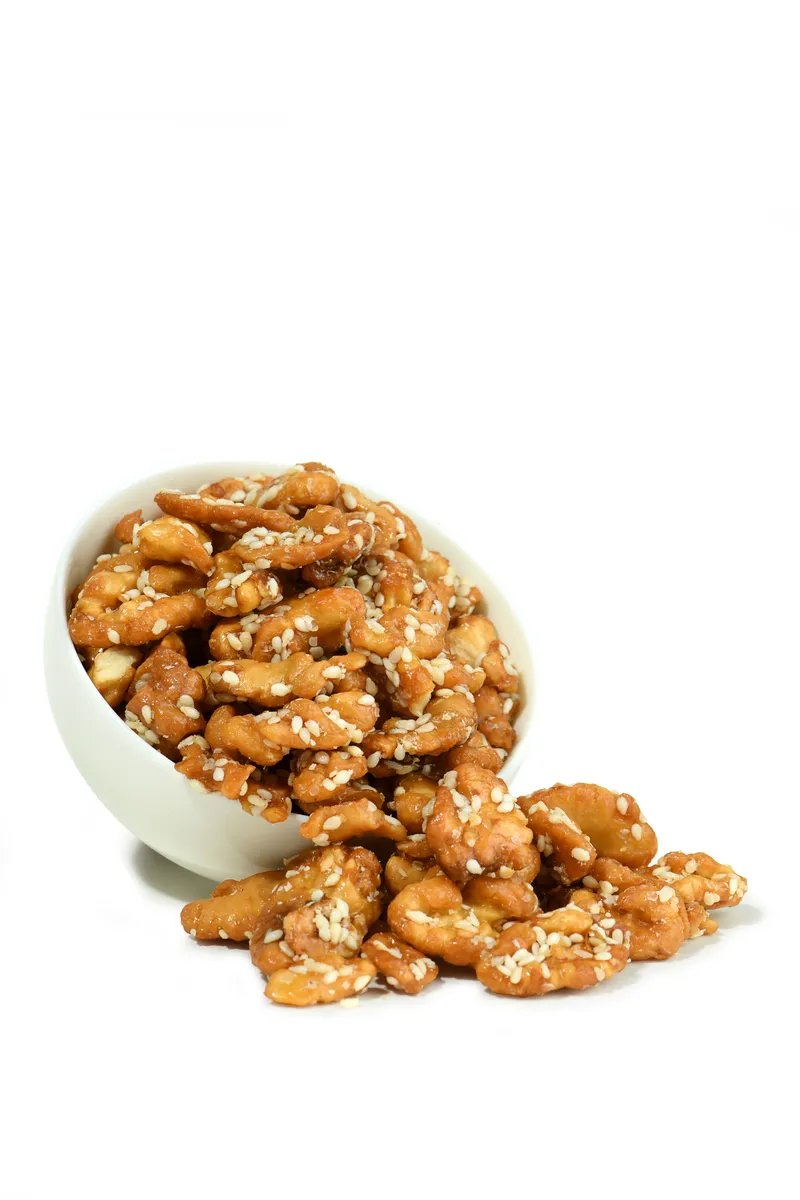
Amber-glazed walnuts are truly a “gem of time” among Chinese nut-based desserts. Starting with ordinary walnuts, they undergo a masterful transformation through the skillful application of sugar and heat, evolving from simple, slightly bitter nuts into a glistening, sweet, and crispy traditional delicacy with an irresistible aroma.
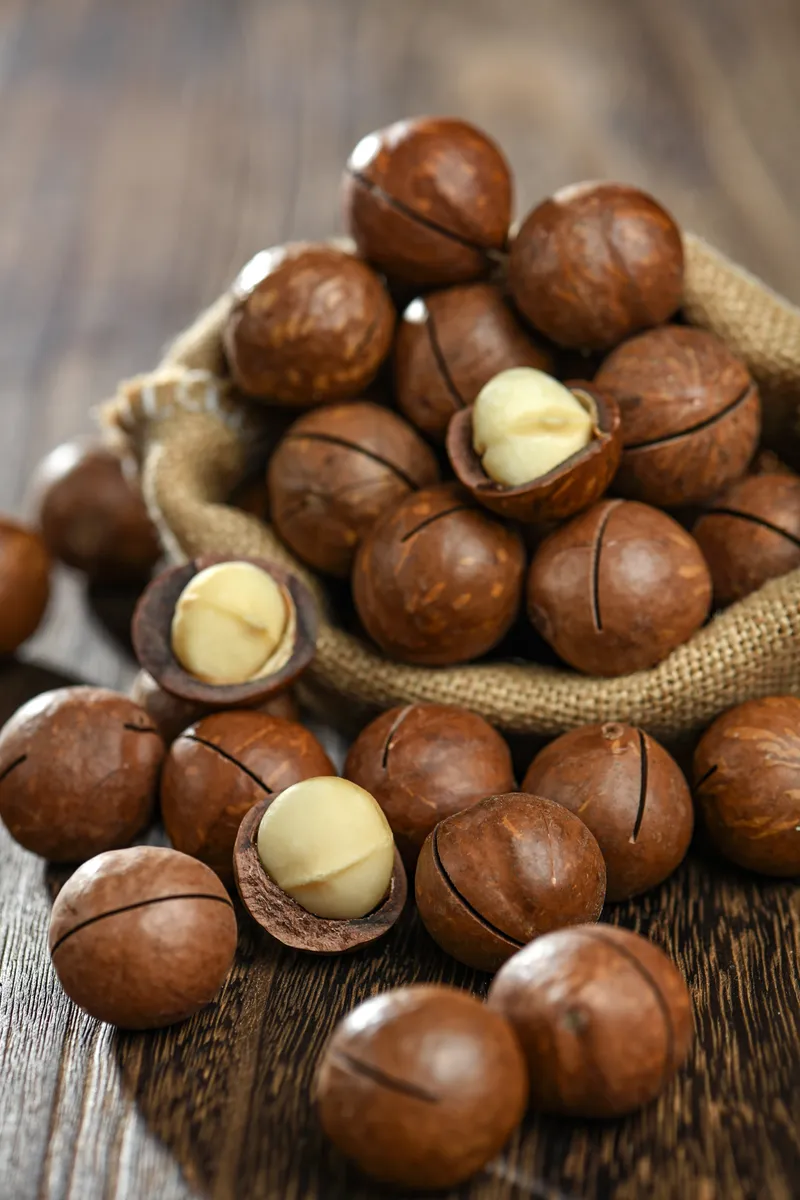
Macadamia nuts in shell, often hailed as the “king of nuts” or the “queen of dried fruits,” are not merely an expensive snack, but an extraordinary product that combines natural wonders, historical circumstances, and meticulous craftsmanship.