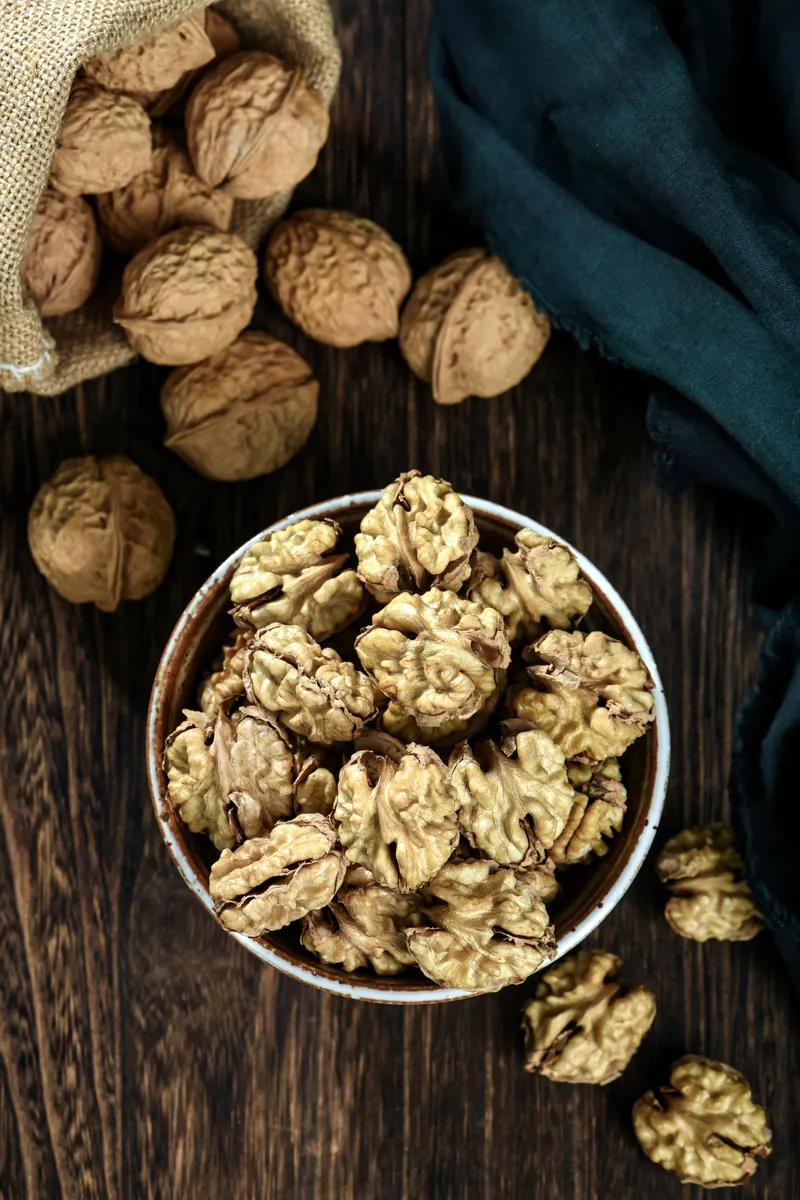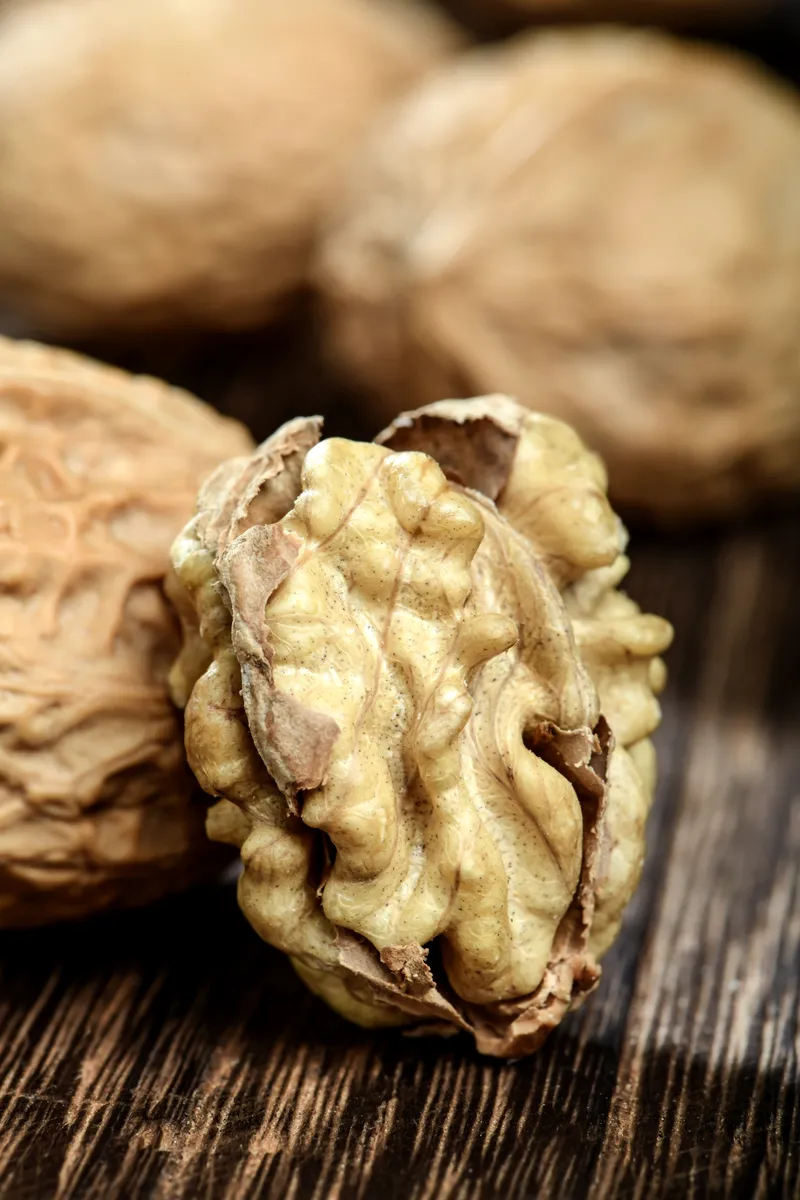


Organic walnut kernels represent an elevation of walnut flavor in both natural and ethical dimensions. They are more than just shelled nuts; they embody a complete commitment to respecting natural rhythms and ecological balance.
From soil to palate, behind them lies a rigorous production philosophy, ensuring that every walnut kernel carries the purity of the land and the integrity of the producers.
Its core definition: Beyond simply being “additive-free,” the essence of organic walnut kernels lies in its complete chain of organic certification:
• Cultivation Source: The walnut trees grow on land that has been free of chemical pesticides, fertilizers, and herbicides for at least three years, relying on natural fertility and ecological cycles to maintain soil vitality.
• Growth Process: Natural farming methods are used, including physical pest control, introduction of natural predators, and manual weeding, eliminating genetically modified technology and respecting the natural growth cycle of the trees.
• Processing Stage: Cleaning, shelling, and sorting are carried out in independent organic certified facilities, avoiding cross-contamination with non-organic products. No chemical bleaching agents, preservatives, or artificial flavors are used during processing.
• Authoritative Certification: Each batch of product should have a traceable organic certification code (such as China Organic Product, USDA, EU, etc.), which is the most reliable endorsement of its identity.
In appearance, it may be similar to high-quality conventional walnut kernels, but its intrinsic flavor and texture often reveal subtle differences sought after by connoisseurs:
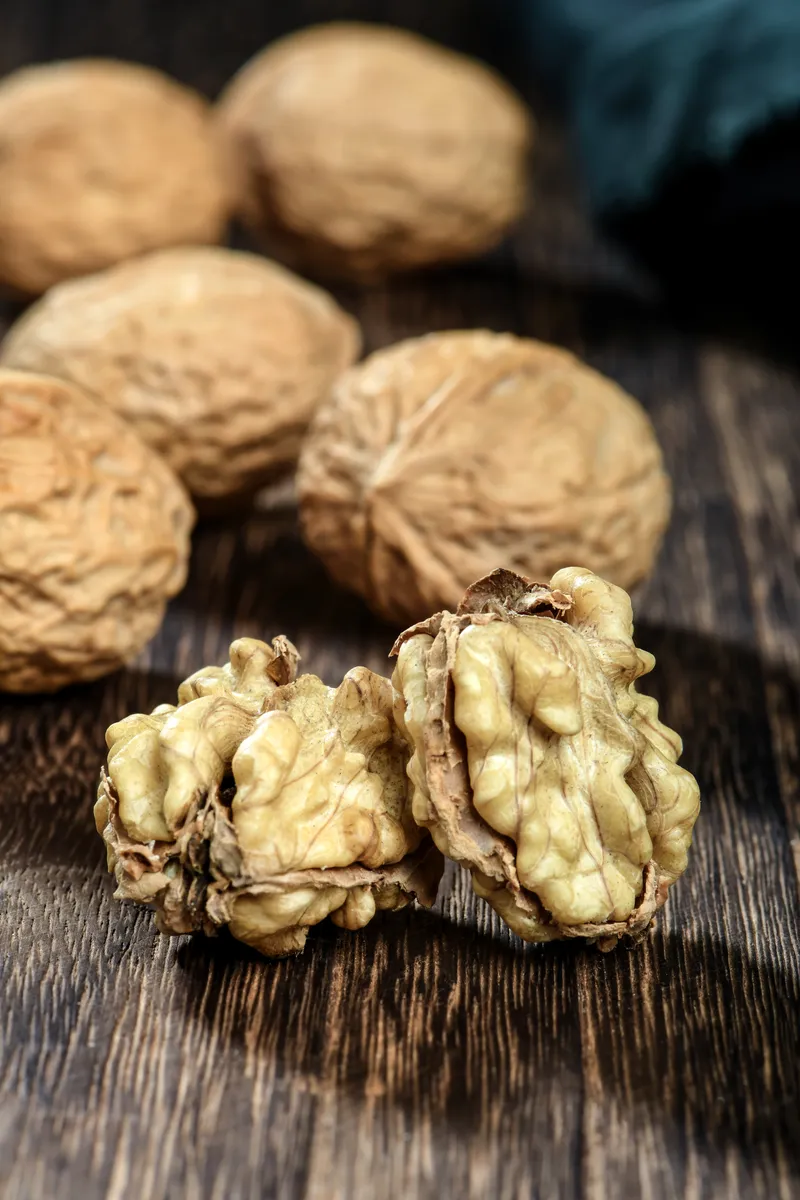
• Appearance: It may be more “natural,” with potentially uneven color (due to the absence of bleaching), and occasional natural spots, which are proof of its unadulterated nature.
• Taste and Flavor: Many consumers believe that its flavor is clearer, richer, and more layered. Because the growth rate follows natural processes more closely, the accumulation of oils and the formation of flavor compounds may be more complete.
You can more clearly taste the inherent sweetness and deep woody aroma of the walnut kernel itself, without any subtle “background” off-flavors that might be caused by chemical residues. The texture is firm, and the aftertaste is pure. Its core values: a triangular support system of health, ecology, and flavor. Choosing organic walnuts is typically based on these three considerations:
1. The ultimate pursuit of personal health: Minimizing the risk of pesticide residue and synthetic chemical intake, providing a safe choice for consumers who prioritize dietary purity (such as pregnant women, families with infants and young children, and health-conscious individuals).
2. Proactive responsibility towards the ecological environment: Supporting sustainable agriculture, protecting soil health, water purity, and biodiversity. Every organic walnut is a vote for a more environmentally friendly planet.
3. Reverent respect for original flavor: Believing that with minimal human intervention, the land can bestow upon food its most authentic and richest flavors. It represents a dietary philosophy of “letting food be itself.”
Symbolic meaning: A contract of trust and choice. Organic walnuts represent a contract connecting honest producers and conscious consumers. It symbolizes:
• Transparency: The process is traceable from orchard to packaging.
• Responsibility: A dual responsibility to both humanity and the environment.
• Patience: Respecting nature, not pursuing quick results or excessive yields.
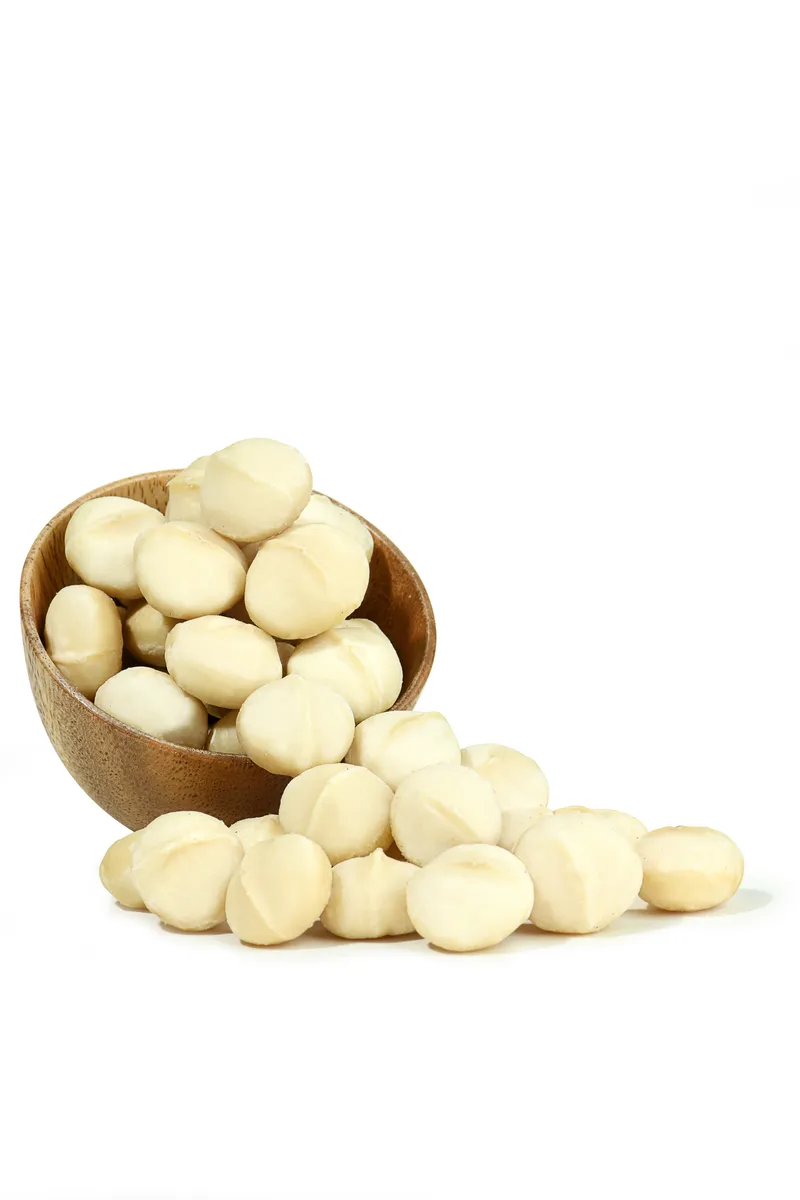
They are not only a culinary delight but also a nutritional powerhouse: • Rich in high-quality monounsaturated fatty acids (especially palmitoleic acid), beneficial for heart health. • Contain dietary fiber, plant protein, and important trace elements such as magnesium, copper, manganese, and vitamin B1. • Although high in calories, moderate consumption provides sustained energy and a feeling of fullness. Macadamia nuts have a wide range of uses: • Direct consumption: Lightly salted or plain, they are a top-tier snack. • Dessert enhancement: Widely used in high-end white chocolate, cookies, ice cream, and cakes to add a luxurious texture. • Culinary enhancement: Crushed, they add rich texture and nutty aroma to salads, pasta, seafood, or Asian stir-fries. • Sauce ingredient: Ground into a fine macadamia nut butter, it’s a perfect accompaniment to bread. Macadamia nuts are more than just a nut; they are a symbol—representing the luxury of nature’s bounty, the result of meticulous craftsmanship, and a pure and satisfying taste experience. Whether enjoyed alone or incorporated into gourmet dishes, they can elevate ordinary moments into something truly special.
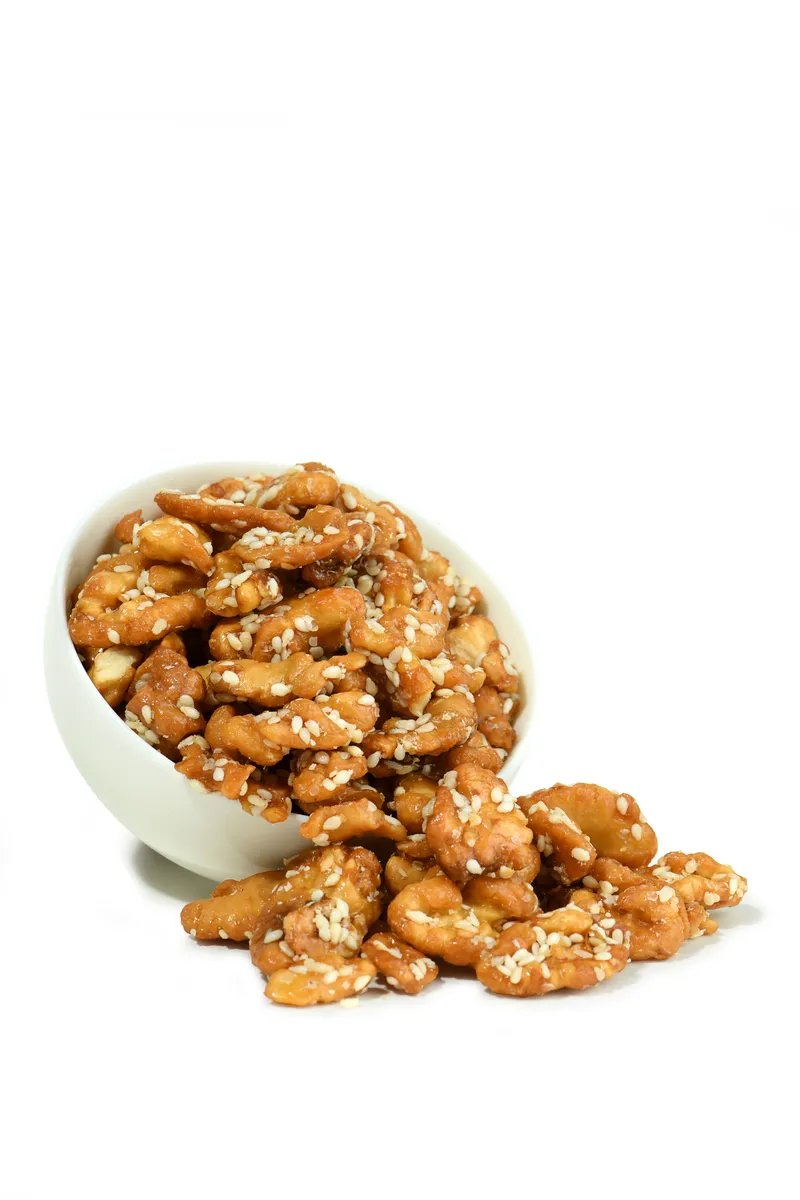
Amber-glazed walnuts are truly a “gem of time” among Chinese nut-based desserts. Starting with ordinary walnuts, they undergo a masterful transformation through the skillful application of sugar and heat, evolving from simple, slightly bitter nuts into a glistening, sweet, and crispy traditional delicacy with an irresistible aroma.
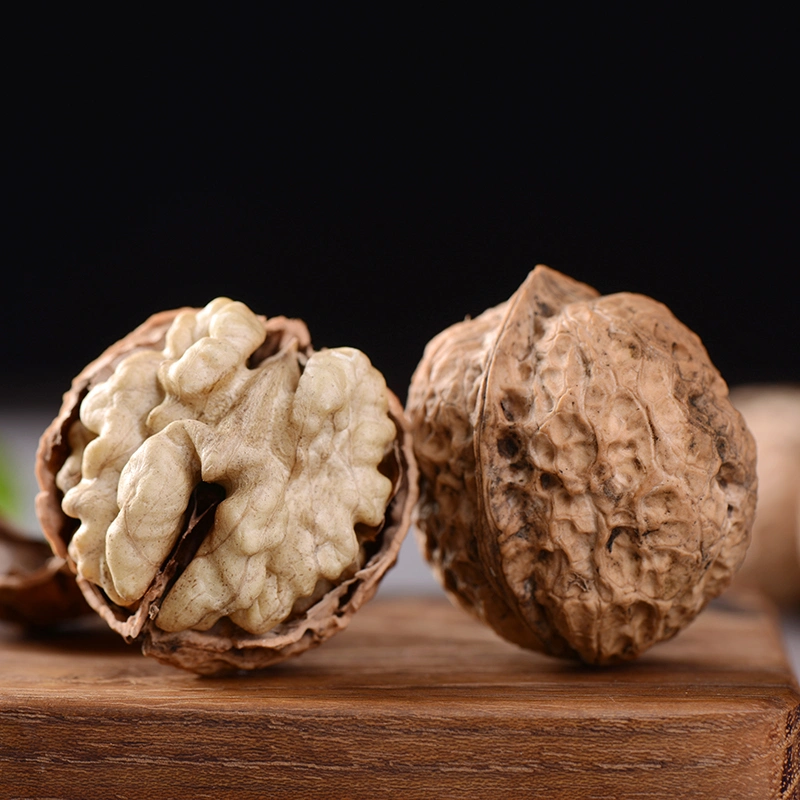
Fengqing shelled walnuts are a natural gift from a region that holds the double distinction of being the “World Capital of Dianhong Black Tea” and the “Walnut Capital of China.” They are not just ordinary nuts, but a geographical indication product that embodies the sunshine of the Tropic of Cancer, the moisture of the Lancang River basin, and millennia of cultivation wisdom.
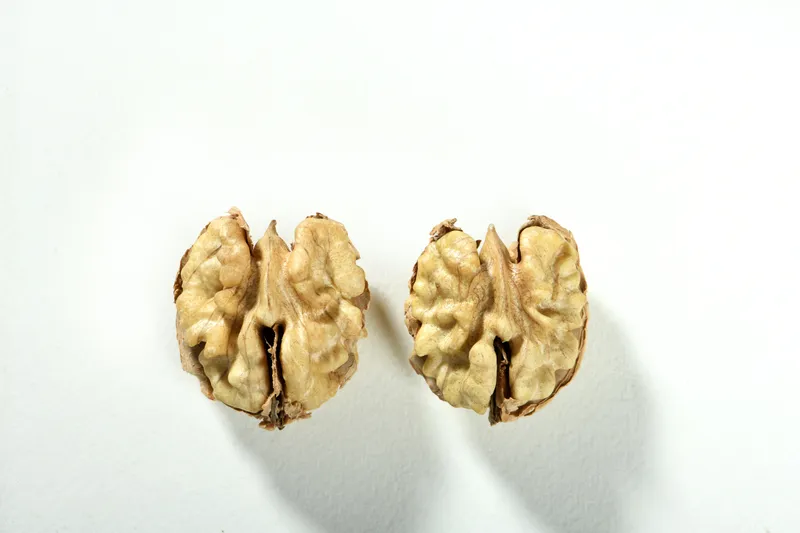
Walnuts, hailed as the “brain-boosting fruit” or “longevity fruit,” with their intricately grooved appearance resembling a miniature brain, hold a revered place in both Eastern traditional health wisdom and Western modern nutrition. They are not merely a nut, but a symbol carrying ancient wisdom and the bounty of nature.
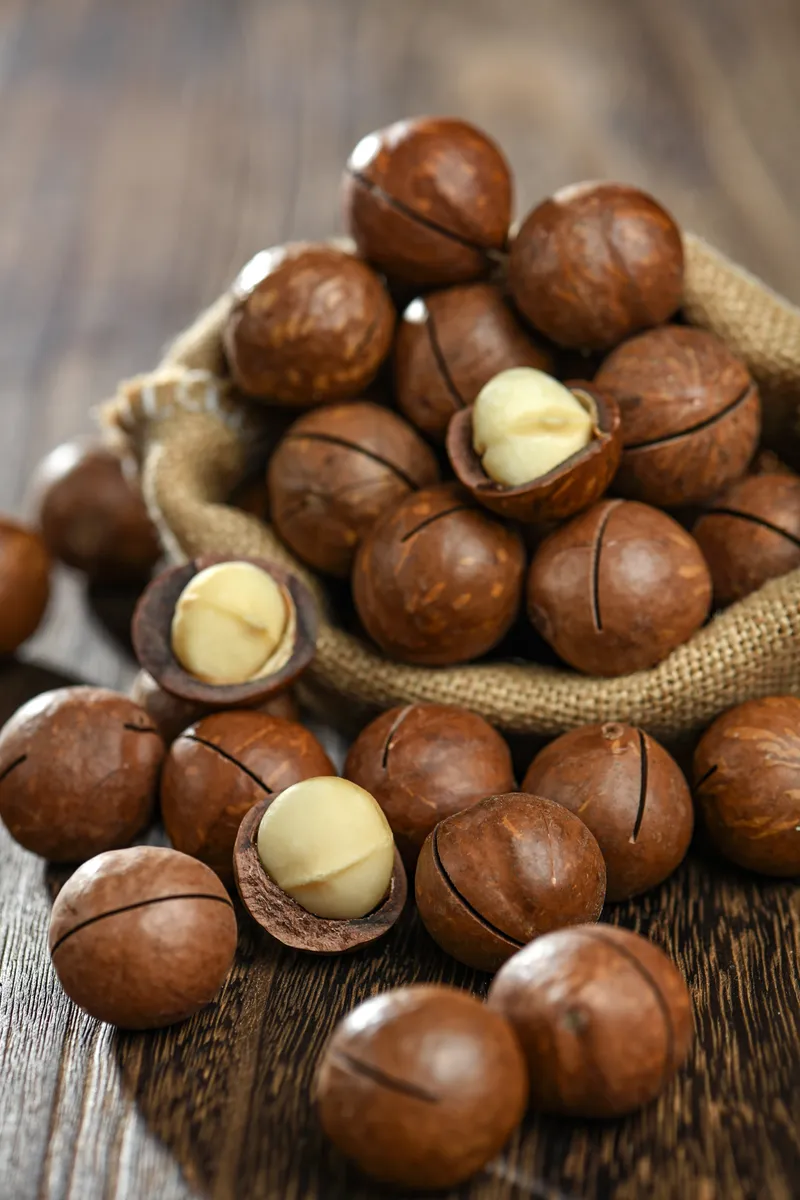
Macadamia nuts in shell, often hailed as the “king of nuts” or the “queen of dried fruits,” are not merely an expensive snack, but an extraordinary product that combines natural wonders, historical circumstances, and meticulous craftsmanship.
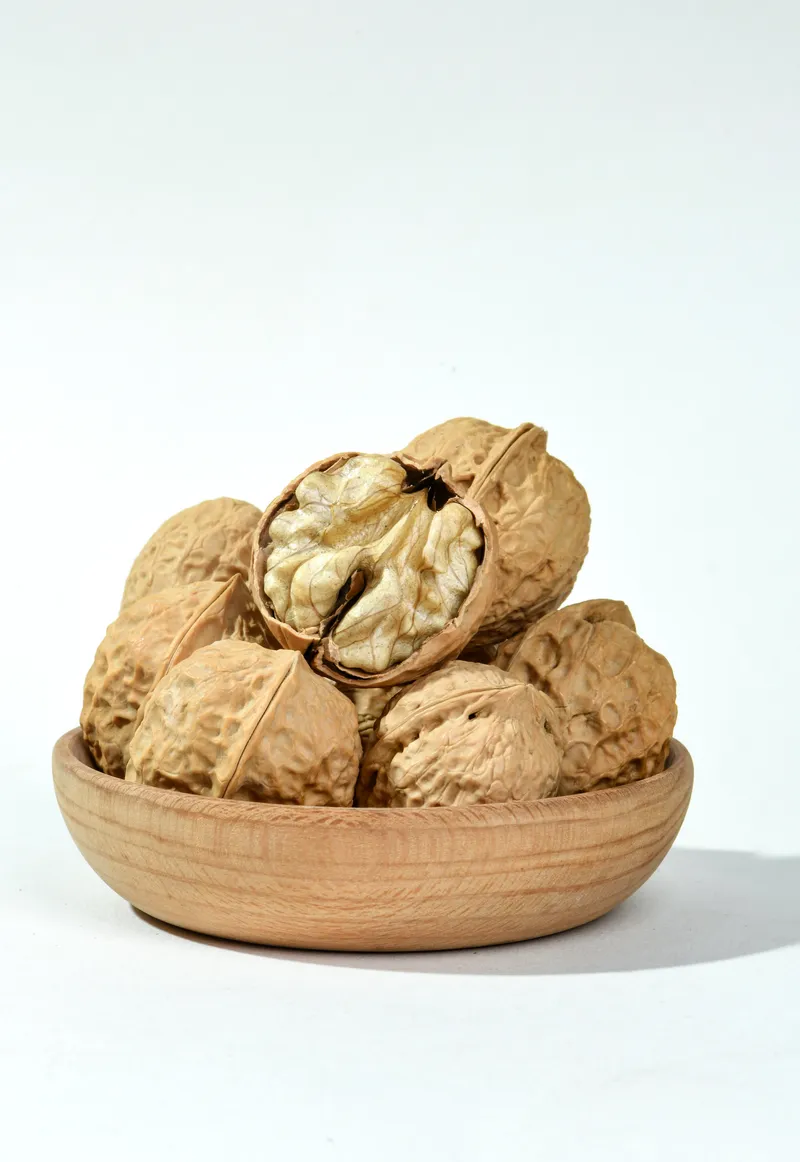
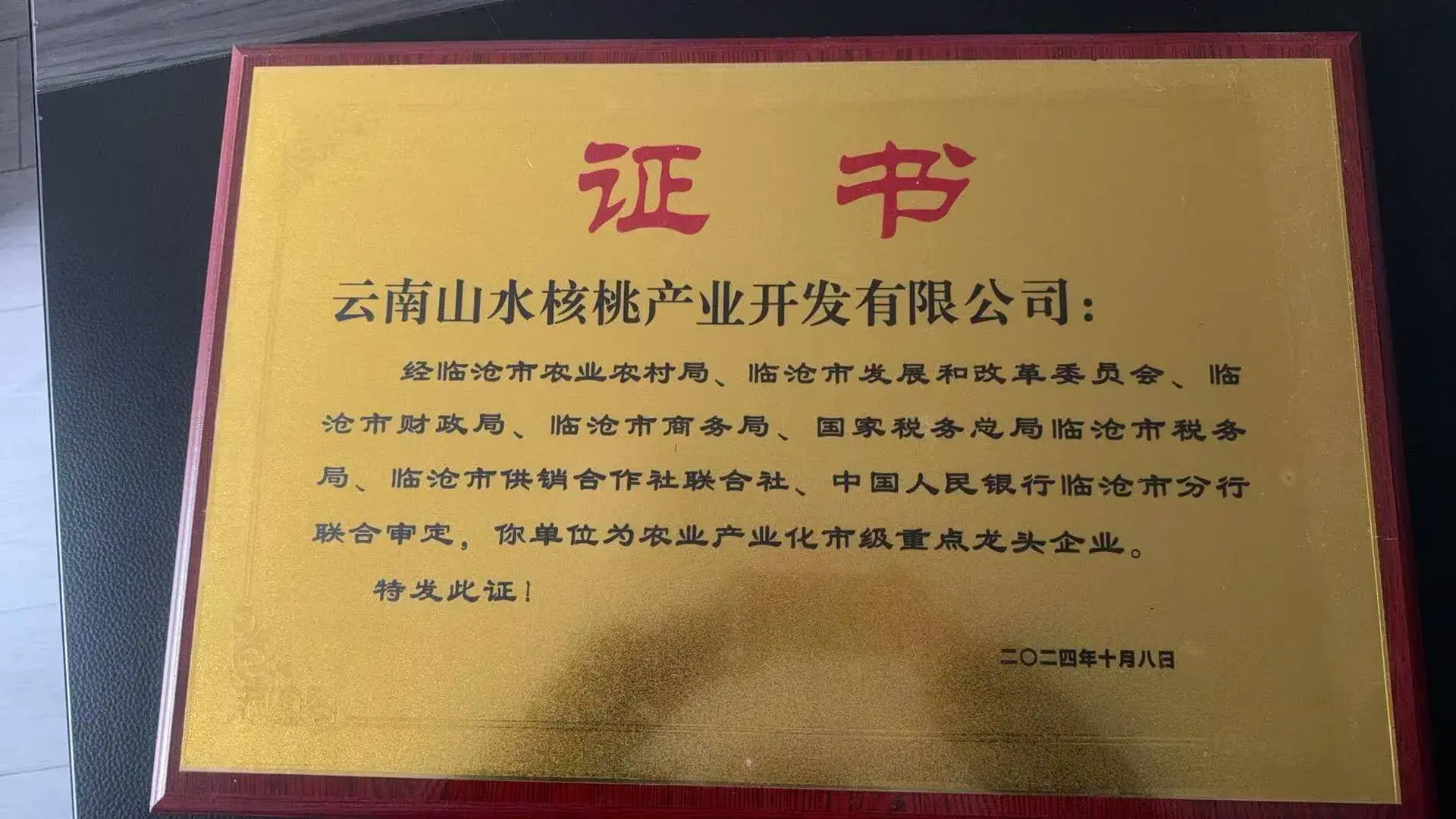
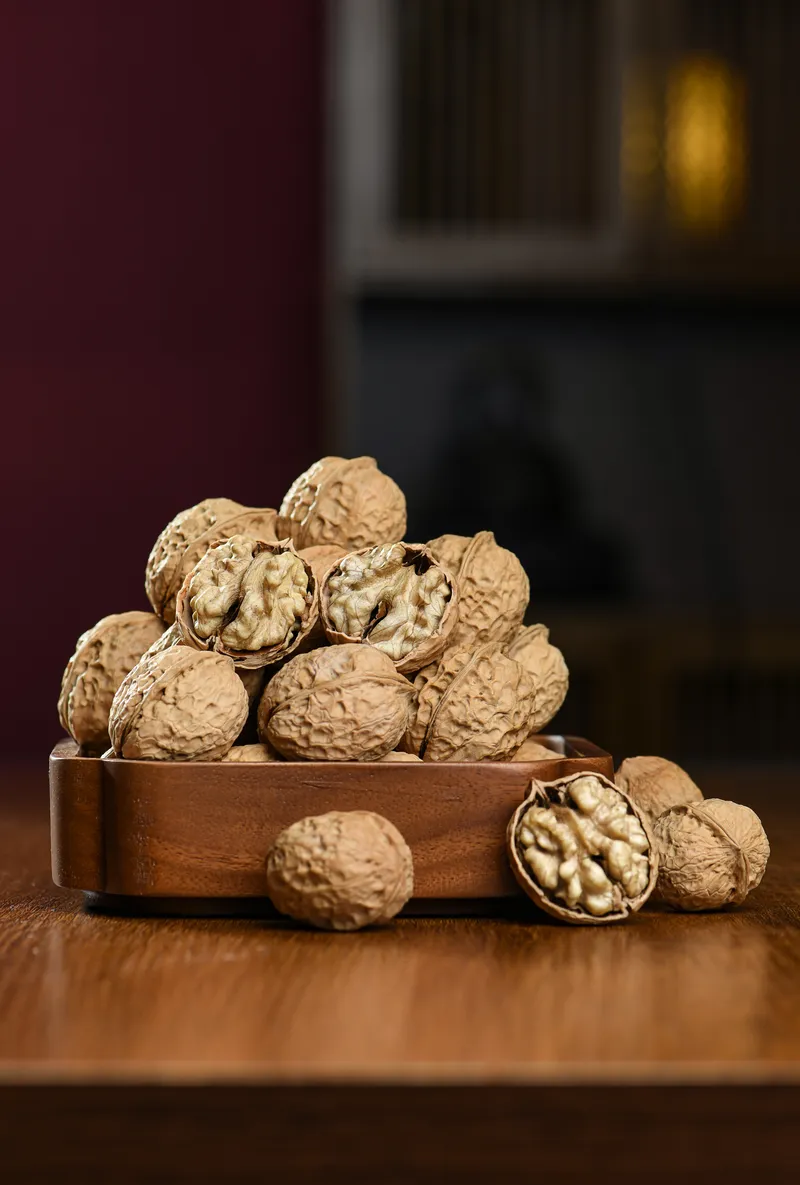
Walnuts in their shells represent the most original and complete form of the walnut’s life. They are not a ready-to-eat snack, but rather a natural creation that requires interaction to yield its reward. Holding a walnut in its shell is like holding a secret encased in a woody fortress, a small but fascinating journey of conquest about to begin.