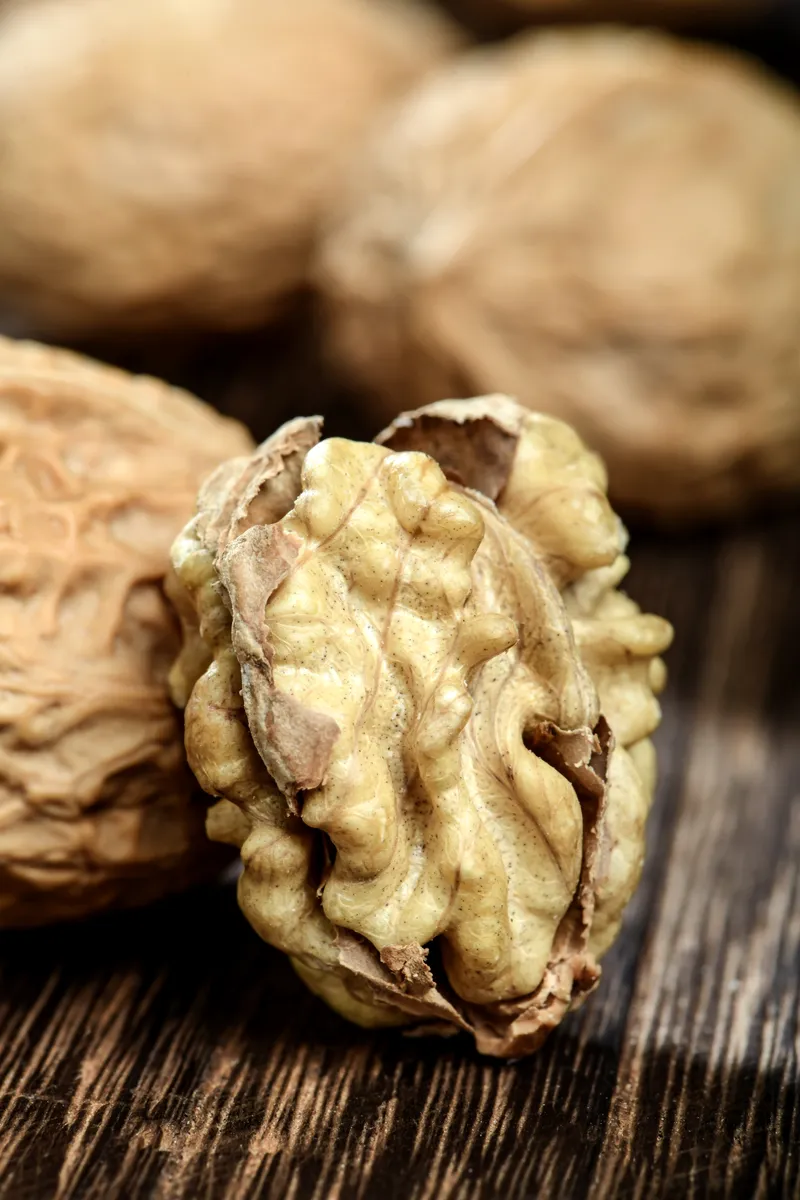


Walnuts, hailed as the “brain-boosting fruit” or “longevity fruit,” with their intricately grooved appearance resembling a miniature brain, hold a revered place in both Eastern traditional health wisdom and Western modern nutrition. They are not merely a nut, but a symbol carrying ancient wisdom and the bounty of nature.
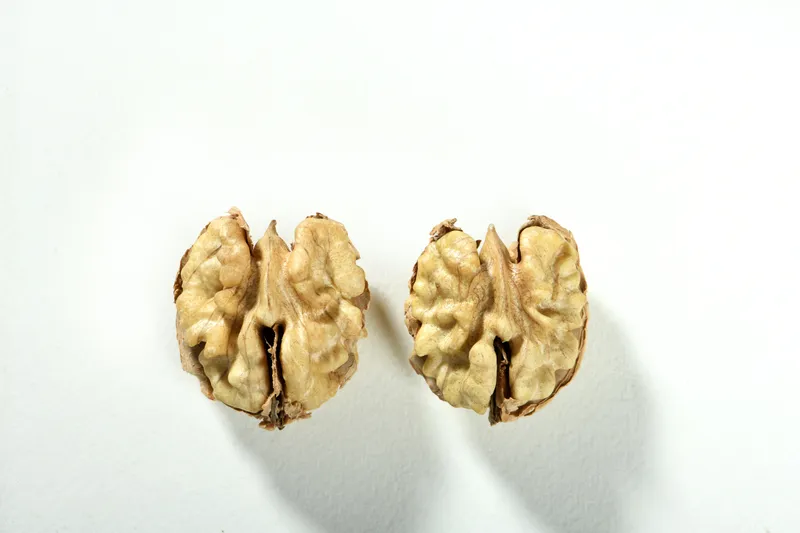
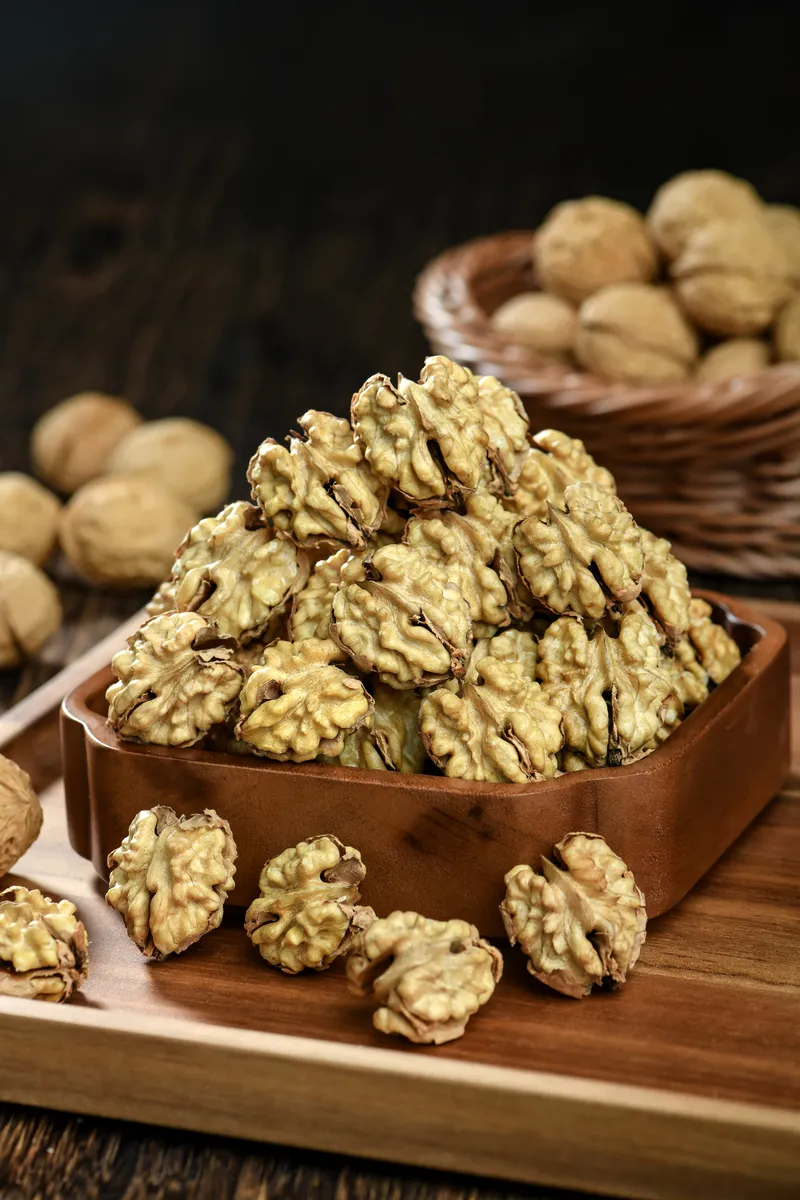
Walnuts are encased in a hard, wrinkled woody shell. Once removed, their form is itself remarkable—two crescent-shaped kernels nestled together, covered with a light brown, slightly bitter seed coat, while the interior reveals a creamy white to pale yellow flesh with an intricate, brain-like texture.
• Texture: Fresh, high-quality walnuts have a crisp texture, but not the oily crispness of macadamia nuts; rather, it’s a firmer, slightly fibrous crunch.
• Flavor: Their flavor is complex and layered. The initial taste is a unique woody aroma with a hint of bitterness, mainly from the antioxidant-rich seed coat; after chewing, a rich nutty oil aroma and a subtle sweetness are released, resulting in a mellow and robust flavor, full of earthy depth.
Walnuts originated in Persia (present-day Iran) and were introduced to China and Europe via the Silk Road, boasting a history of consumption spanning over a thousand years.
• Eastern Perspective: In traditional Chinese health culture, due to their resemblance to the human brain, they have long been believed to “nourish the brain and enhance intelligence” based on the principle of “like cures like.” They are widely used in medicinal diets, porridges, and tonic preparations, making them an excellent choice for warming and nourishing the body in autumn and winter.
• Western Perspective: In Western culture, walnuts are a symbol of abundance and wisdom, commonly found in holiday celebrations (such as Christmas candies and pastries) and everyday baking, representing family warmth and togetherness.
Walnuts are one of the most nutrient-dense superfoods, known as the “brain gold” of the plant kingdom:
• Plant-based Omega-3 Champion: They have the highest content of alpha-linolenic acid (a plant-based Omega-3) among all common nuts, which is crucial for brain health, the cardiovascular system, and anti-inflammatory processes. • A treasure trove of antioxidants: Especially the seed coat covering the kernel, which is rich in powerful antioxidants such as polyphenols and melatonin, protecting cells from damage.
• Comprehensive nutrients: It also provides high-quality plant protein, dietary fiber, vitamin E, magnesium, copper, and zinc, among other trace elements.
A versatile ingredient that bridges Eastern and Western cuisines, walnuts have extremely wide culinary adaptability, suitable for both savory and sweet dishes, and both Chinese and Western recipes.
1. Direct consumption: A few kernels daily is the simplest and most classic way to nourish the body. Light roasting can enhance the aroma and reduce bitterness.
2. Chinese culinary uses: It’s a key ingredient in traditional nourishing desserts such as eight-treasure porridge, walnut paste, and dates stuffed with walnuts. It’s also commonly used in cold dishes (such as spinach with walnuts), soups, and as an ingredient in stir-fries (such as celery and lily stir-fried with walnuts), adding texture and nutrition.
3. Western baking and desserts: It’s a classic pairing in banana walnut bread, brownies, cookies, and pralines. It’s also often crushed and used as a salad topping or made into walnut butter (similar to peanut butter).
4. Oils and beverages: Cold-pressed walnut oil has a unique flavor and low smoke point, making it a high-quality oil for salads. Walnut milk and walnut beverages are also popular plant-based protein drinks.
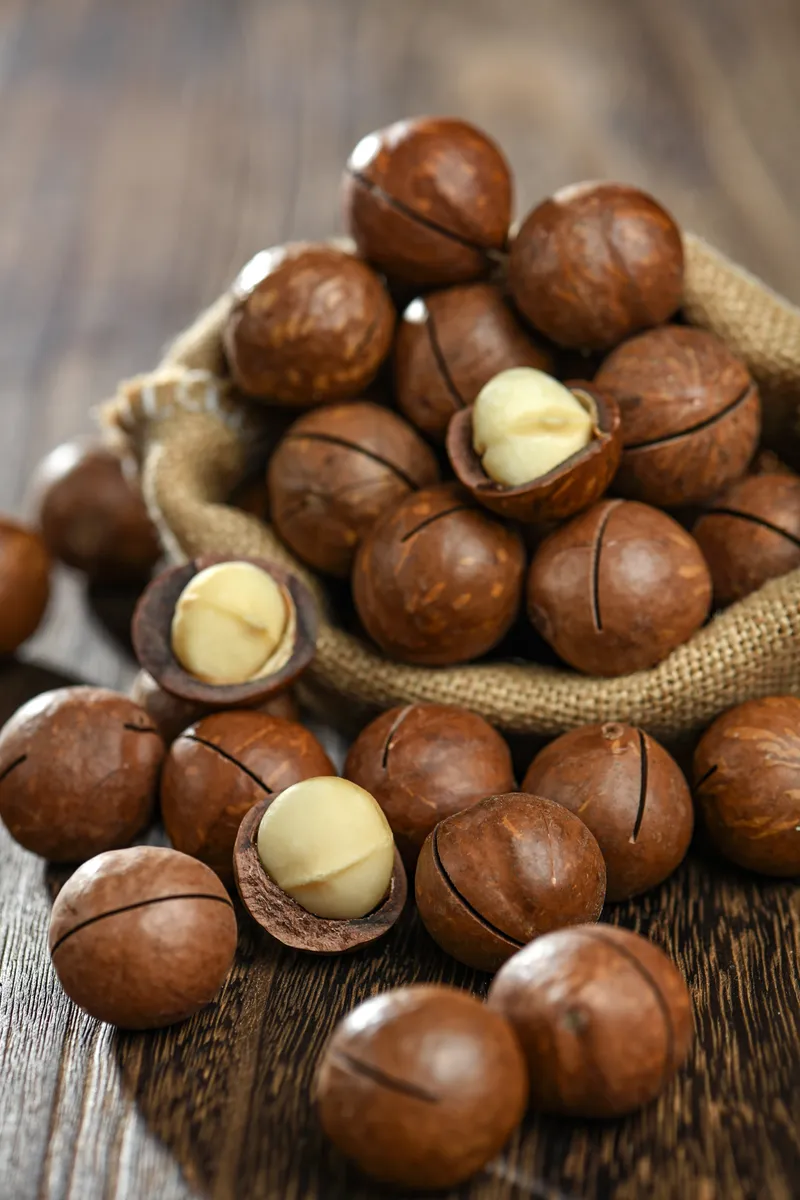
Macadamia nuts in shell, often hailed as the “king of nuts” or the “queen of dried fruits,” are not merely an expensive snack, but an extraordinary product that combines natural wonders, historical circumstances, and meticulous craftsmanship.
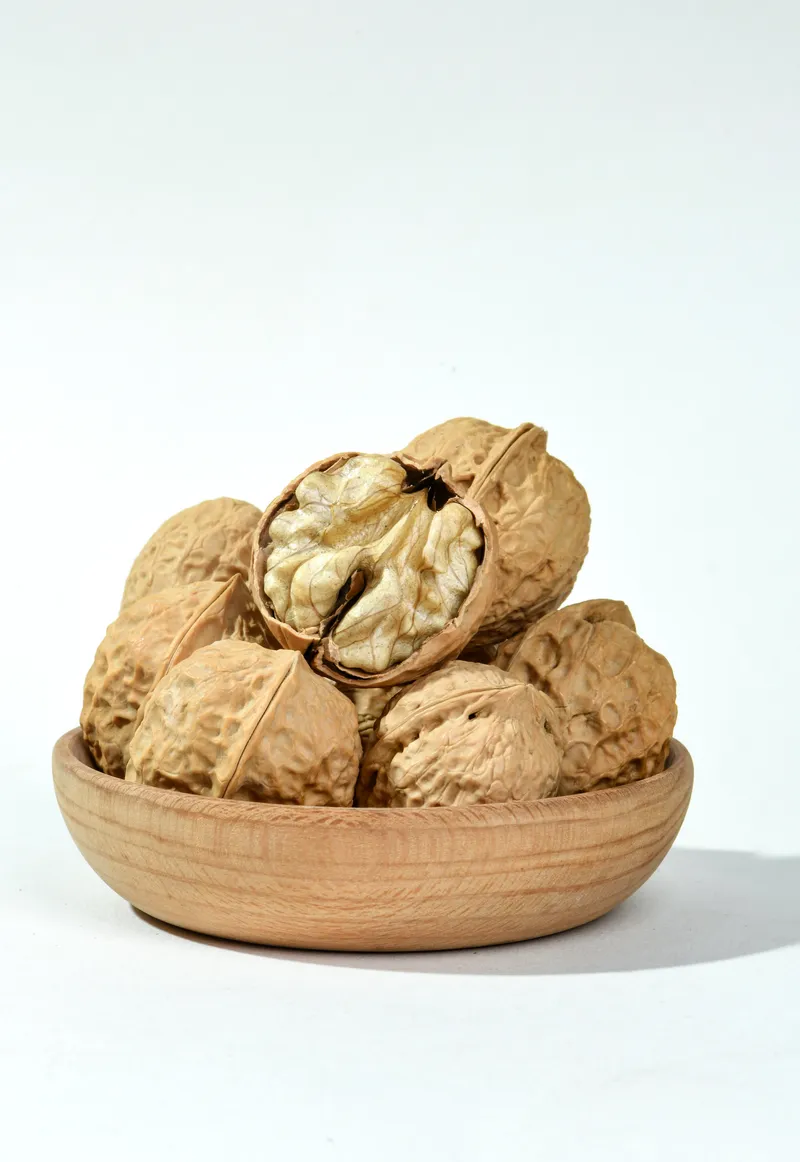
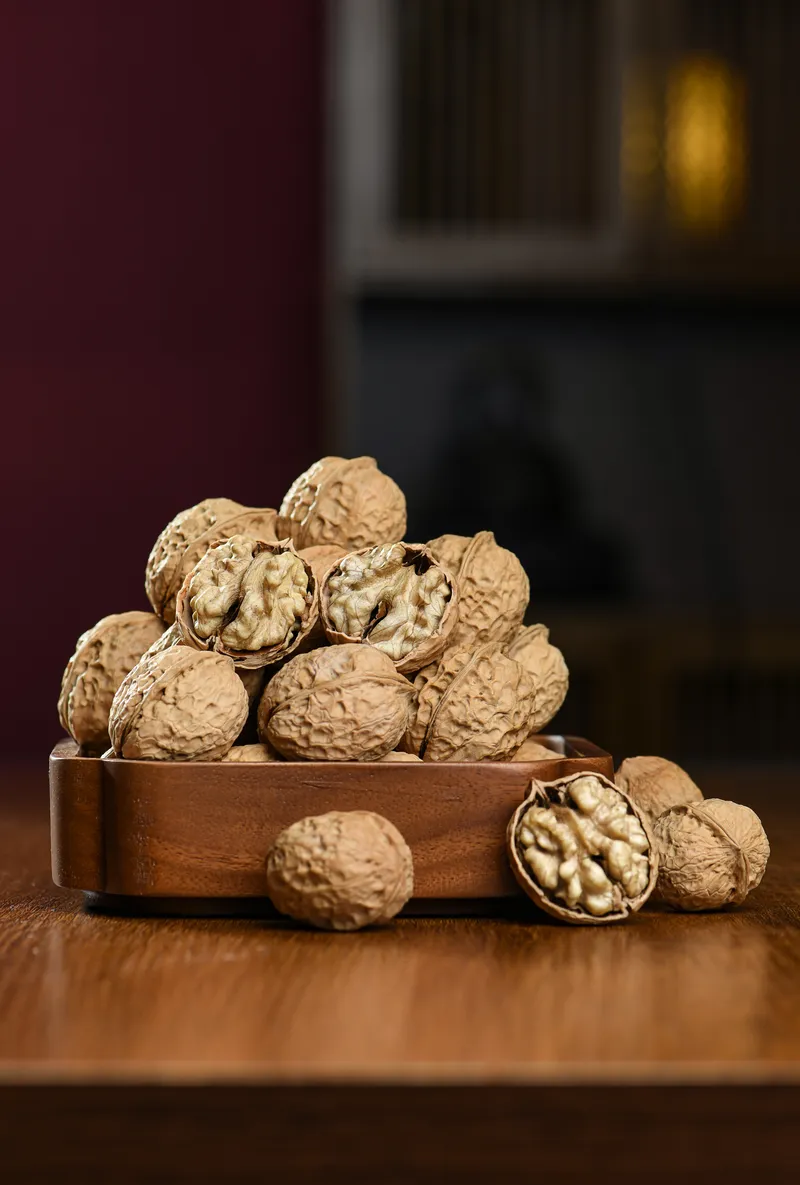
Walnuts in their shells represent the most original and complete form of the walnut’s life. They are not a ready-to-eat snack, but rather a natural creation that requires interaction to yield its reward. Holding a walnut in its shell is like holding a secret encased in a woody fortress, a small but fascinating journey of conquest about to begin.
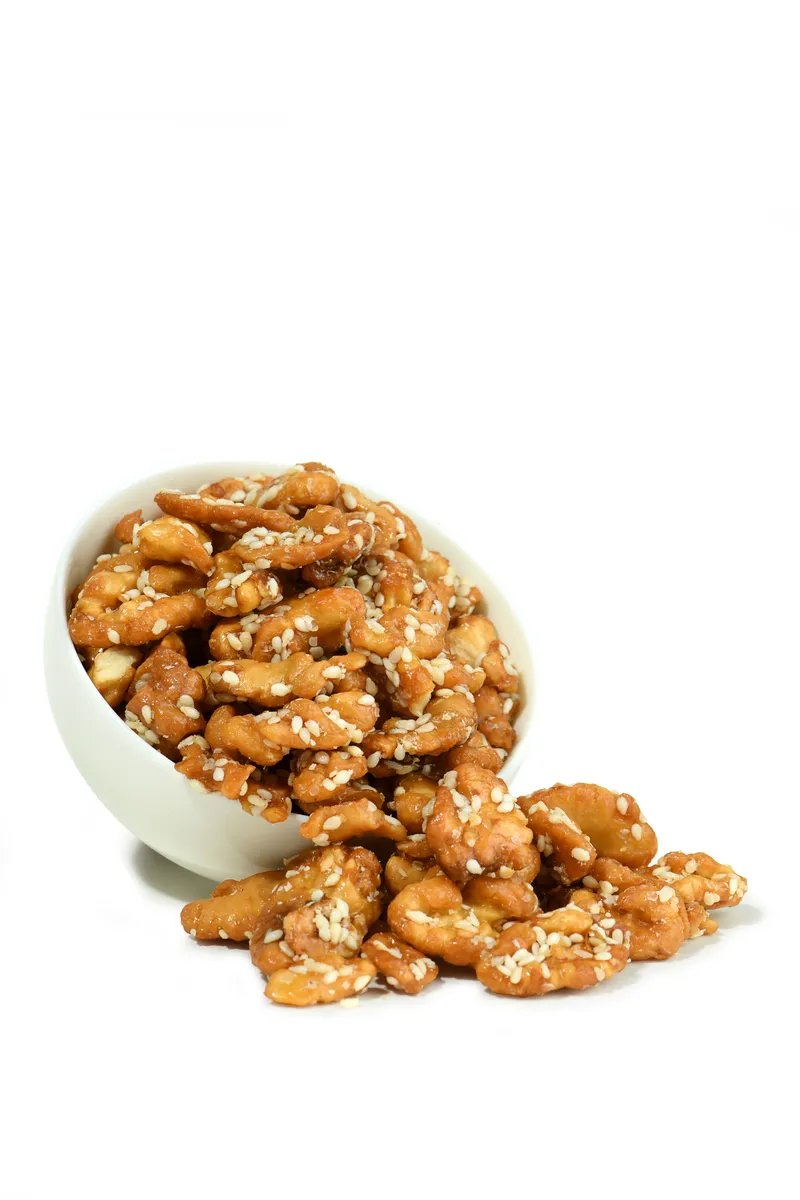
Amber-glazed walnuts are truly a “gem of time” among Chinese nut-based desserts. Starting with ordinary walnuts, they undergo a masterful transformation through the skillful application of sugar and heat, evolving from simple, slightly bitter nuts into a glistening, sweet, and crispy traditional delicacy with an irresistible aroma.
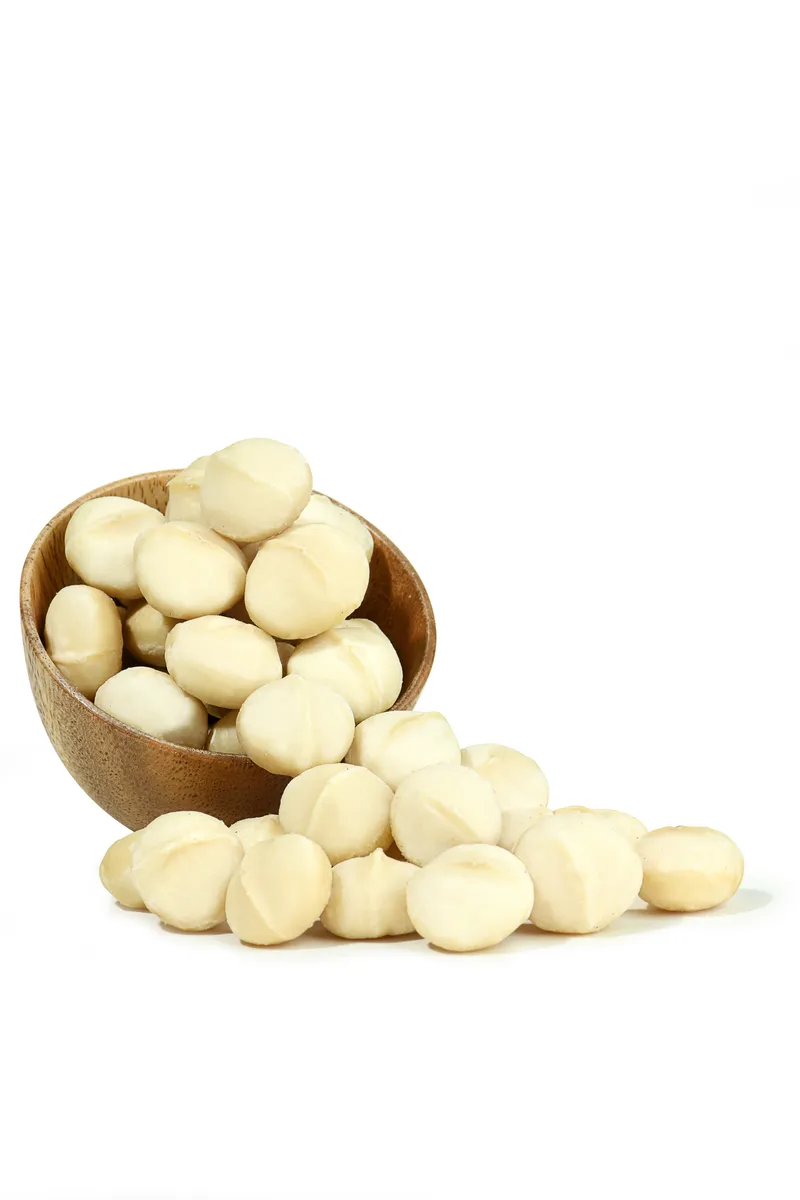
They are not only a culinary delight but also a nutritional powerhouse: • Rich in high-quality monounsaturated fatty acids (especially palmitoleic acid), beneficial for heart health. • Contain dietary fiber, plant protein, and important trace elements such as magnesium, copper, manganese, and vitamin B1. • Although high in calories, moderate consumption provides sustained energy and a feeling of fullness. Macadamia nuts have a wide range of uses: • Direct consumption: Lightly salted or plain, they are a top-tier snack. • Dessert enhancement: Widely used in high-end white chocolate, cookies, ice cream, and cakes to add a luxurious texture. • Culinary enhancement: Crushed, they add rich texture and nutty aroma to salads, pasta, seafood, or Asian stir-fries. • Sauce ingredient: Ground into a fine macadamia nut butter, it’s a perfect accompaniment to bread. Macadamia nuts are more than just a nut; they are a symbol—representing the luxury of nature’s bounty, the result of meticulous craftsmanship, and a pure and satisfying taste experience. Whether enjoyed alone or incorporated into gourmet dishes, they can elevate ordinary moments into something truly special.
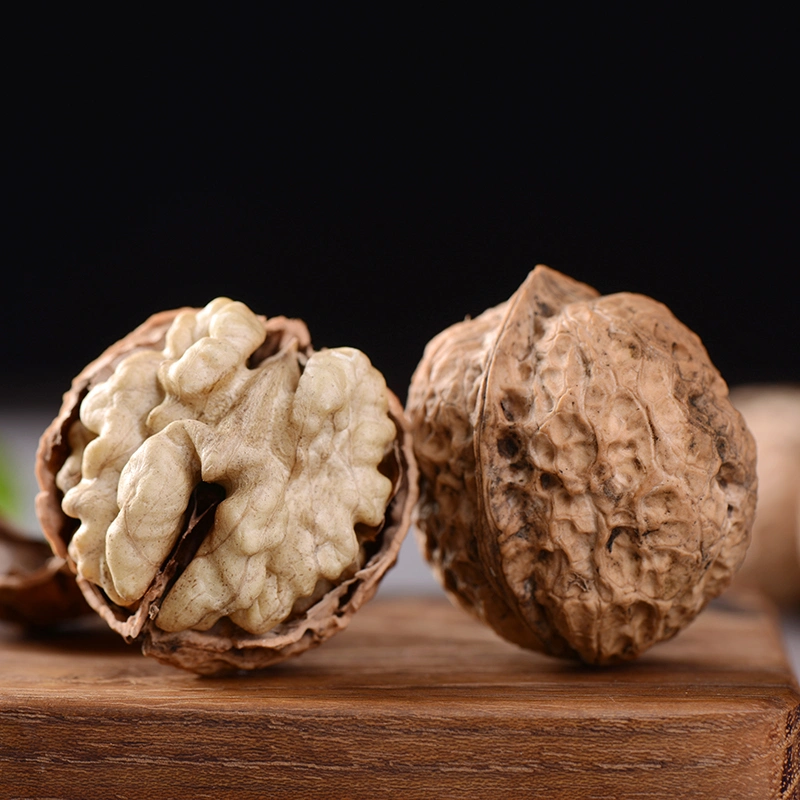
Fengqing shelled walnuts are a natural gift from a region that holds the double distinction of being the “World Capital of Dianhong Black Tea” and the “Walnut Capital of China.” They are not just ordinary nuts, but a geographical indication product that embodies the sunshine of the Tropic of Cancer, the moisture of the Lancang River basin, and millennia of cultivation wisdom.
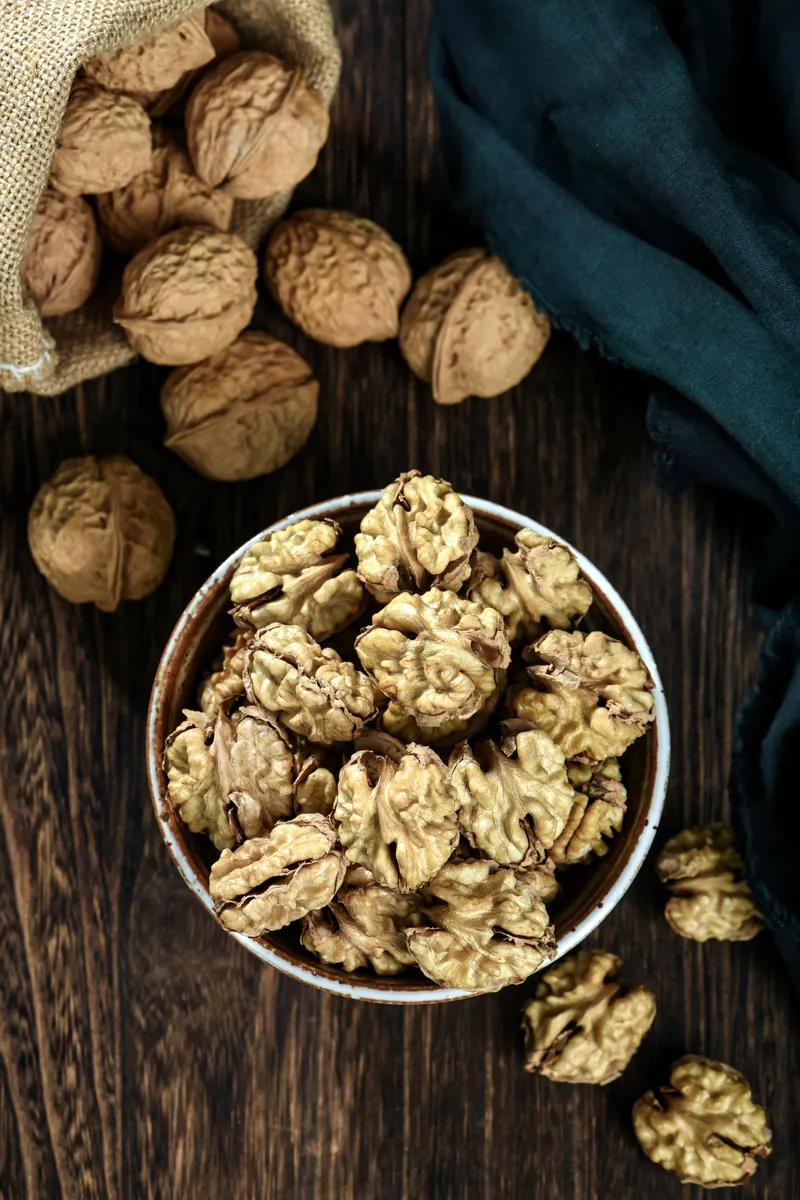
Organic walnut kernels represent an elevation of walnut flavor in both natural and ethical dimensions. They are more than just shelled nuts; they embody a complete commitment to respecting natural rhythms and ecological balance. From soil to palate, behind them lies a rigorous production philosophy, ensuring that every walnut kernel carries the purity of the land and the integrity of the producers.